Наночастицы диоксида титана против обычного диоксида титана: что выбрать?
Apr 16, 2026
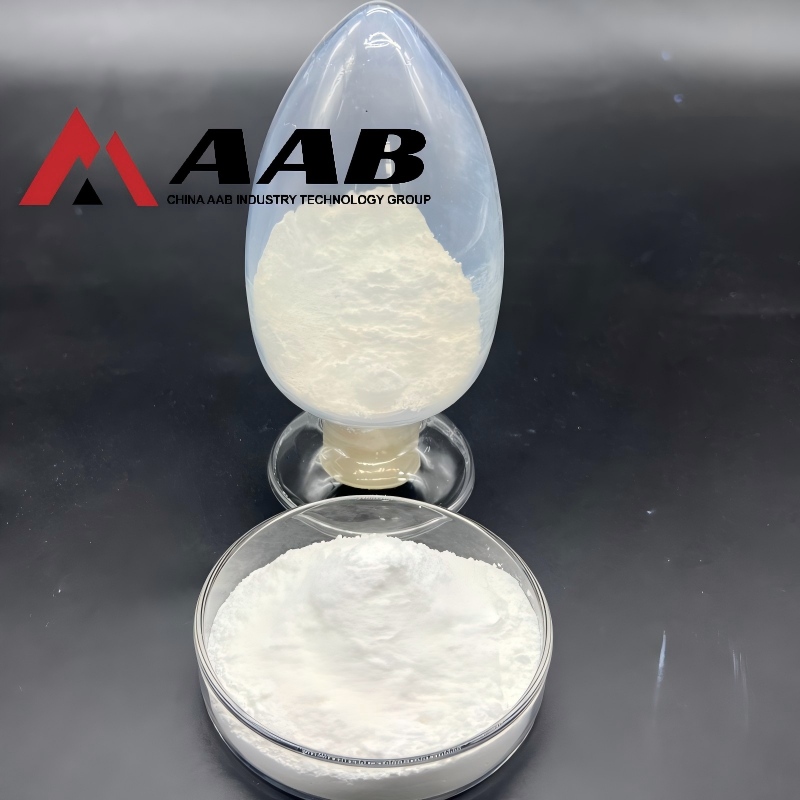
Диоксид титана (TiO₂) — распространенный белый неорганический пигмент, широко используемый в покрытиях, пластмассах, косметике и пищевой промышленности. С развитием нанотехнологий, Микрочастицы диоксида титана (TiO₂) Появилась новая технология. Хотя оба вещества химически состоят из TiO₂, они значительно различаются по структуре, характеристикам и областям применения. 1. Размер частиц и структурные различияОбычный диоксид титана: размер частиц обычно превышает 200–300 нанометров, попадая в микронный диапазон. Более крупные частицы имеют относительно меньшую площадь поверхности.Наночастицы диоксида титана: размер частиц обычно составляет менее 100 нанометров, иногда в диапазоне 10–50 нанометров. Эти чрезвычайно мелкие частицы обладают значительно увеличенной площадью поверхности, демонстрируя выраженные наноразмерные эффекты.Разница в размере частиц приводит к заметным изменениям оптических свойств, химической активности и диспергируемости. 2. Различия в оптических характеристикахНепрозрачность и белизна: Обычный TiO₂ обеспечивает превосходную непрозрачность благодаря высокому показателю преломления и подходящему размеру частиц. Наночастицы TiO₂ имеют несколько меньшую непрозрачность, поскольку их частицы меньше длины волны видимого света, что делает их подходящими для прозрачных или полупрозрачных покрытий.Оптические эффекты: Нано ТиО₂ Обладает высокой фотокаталитической активностью под воздействием ультрафиолетового излучения и может эффективно поглощать и рассеивать УФ-лучи, что делает его идеальным для солнцезащитных кремов и самоочищающихся материалов. 3. Химическая активность и функциональные различияОбычный TiO₂: химически стабилен и вряд ли способен инициировать фотокаталитические реакции.Наночастицы TiO₂: Благодаря большой площади поверхности и обилию реакционноспособных центров, они легко генерируют свободные радикалы под воздействием света. Это делает их полезными для самоочищающихся покрытий, очистки воздуха и разложения органических загрязнителей.Однако такая высокая активность может представлять потенциальную опасность для органических материалов или биологических тканей, поэтому для снижения подобных рисков часто применяется модификация поверхности (например, покрытие диоксидом кремния или оксидом алюминия).4. Диспергируемость и технологические характеристикиОбычный TiO₂: Более крупные частицы имеют тенденцию оседать или агломерироваться и требуют механического перемешивания или диспергирующих веществ для поддержания однородности.Наночастицы TiO₂: малый размер частиц и высокая поверхностная энергия облегчают образование стабильных дисперсий, но они также склонны к агломерации, что требует обработки поверхности или применения диспергирующих веществ для поддержания равномерного распределения. 5. Различия в примененииОсобенностьОбычный TiO₂Нано ТиО₂НепрозрачностьВысокийНижний уровень, подходит для прозрачных применений.Поглощение УФ-излученияУмеренныйВысокая эффективность, идеально подходит для солнцезащитных кремов и фотокатализа.Фотокаталитическая активностьНизкийВысокая эффективность, подходит для самоочищения и очистки окружающей среды.КосметикаВ основном непрозрачное покрытиеСолнцезащитные кремы, прозрачные тональные кремыПокрытияКраски для внутренних и наружных работ, пластиковые шпатлевкиФункциональные покрытия, антибактериальные покрытия, фотокаталитические покрытия, Самоочищающиеся покрытия Хотя наночастицы диоксида титана и обычный диоксид титана имеют общее происхождение, они разошлись по двум различным технологическим путям: один как «пигмент», а другой как «функциональный материал». Понимание принципиальных различий между ними является первым шагом к научному выбору материалов и точному проектированию продукции. Благодаря постоянному совершенствованию технологий модификации поверхности и композитных материалов, перспективы применения наночастиц диоксида титана в охране окружающей среды, возобновляемой энергетике и высокотехнологичном производстве становятся все шире.