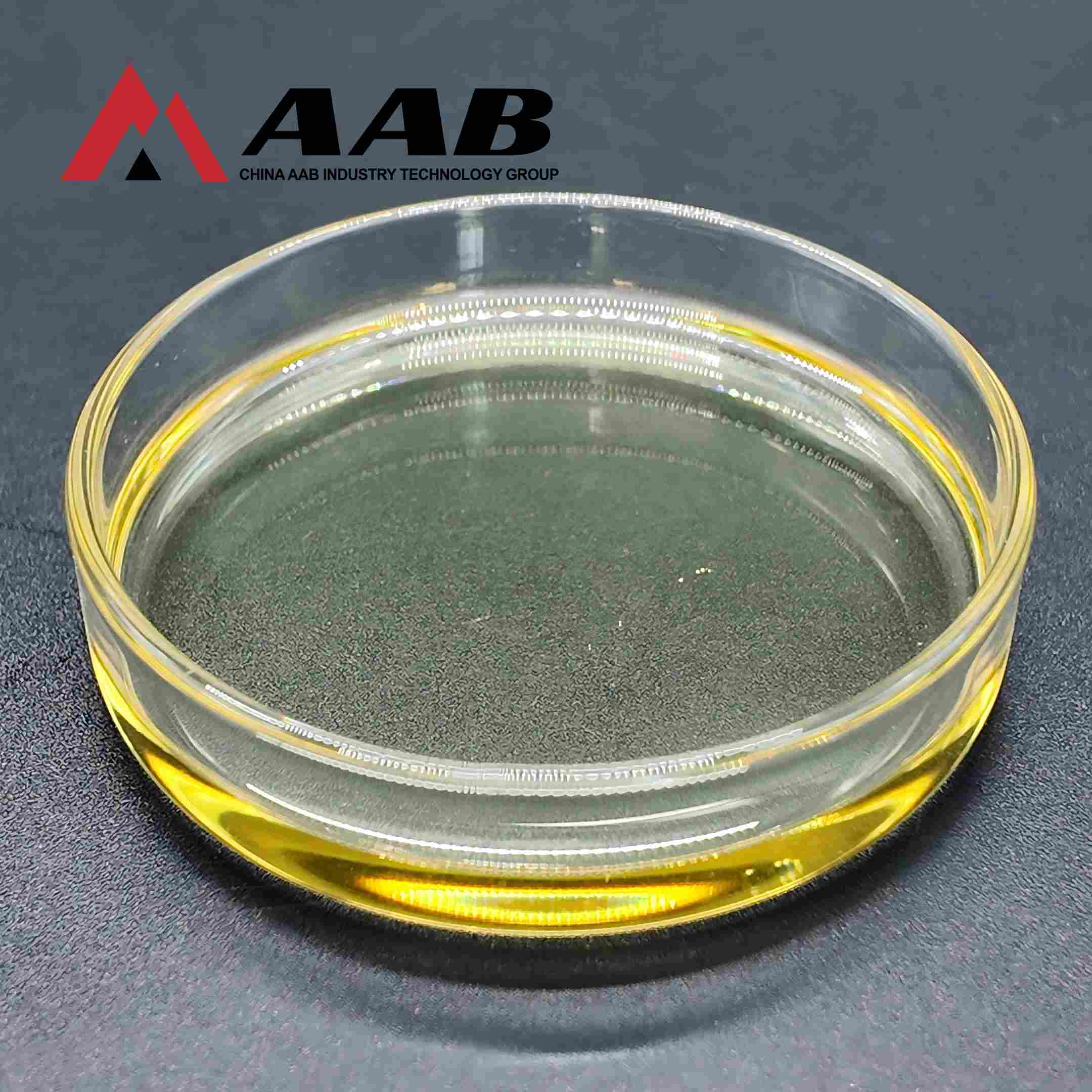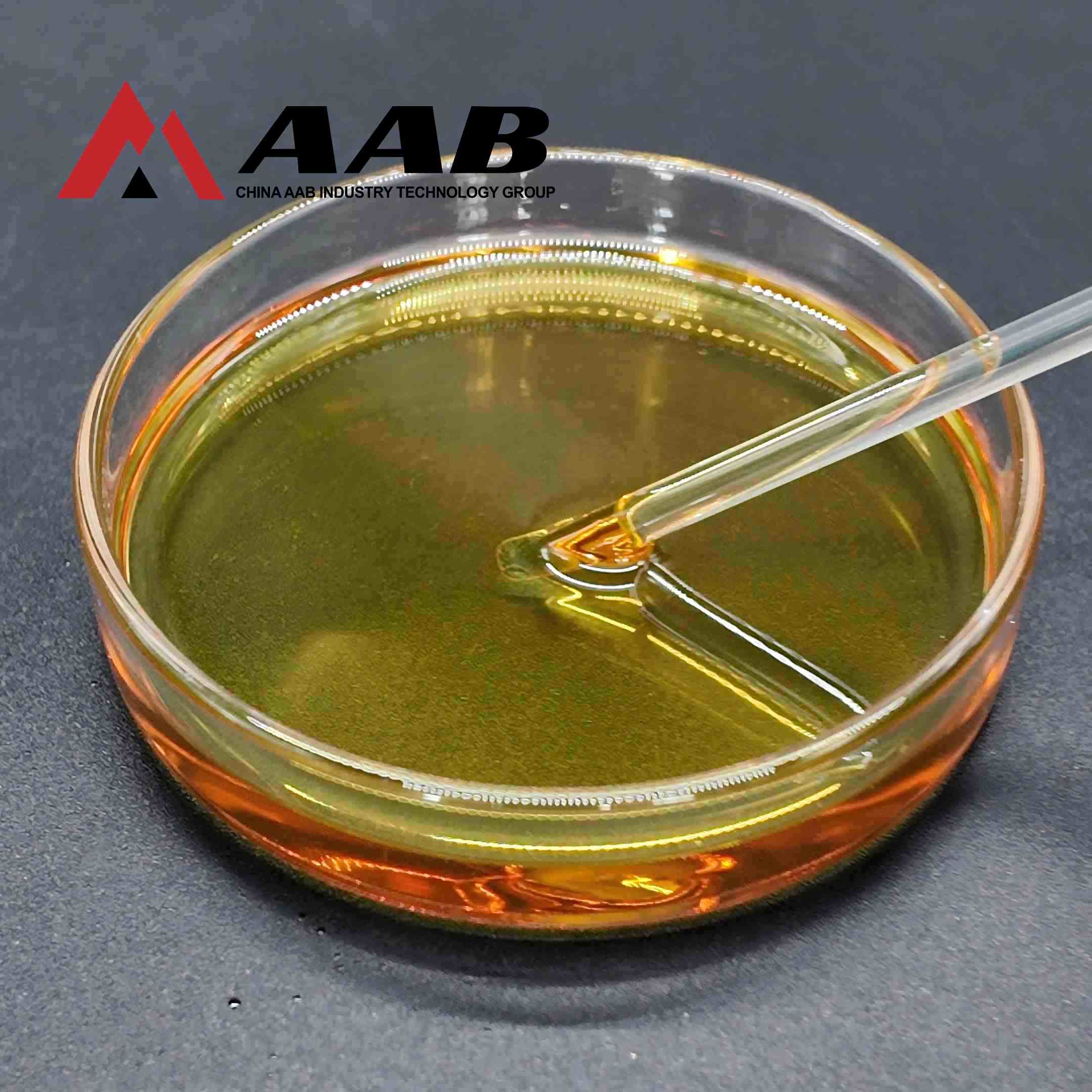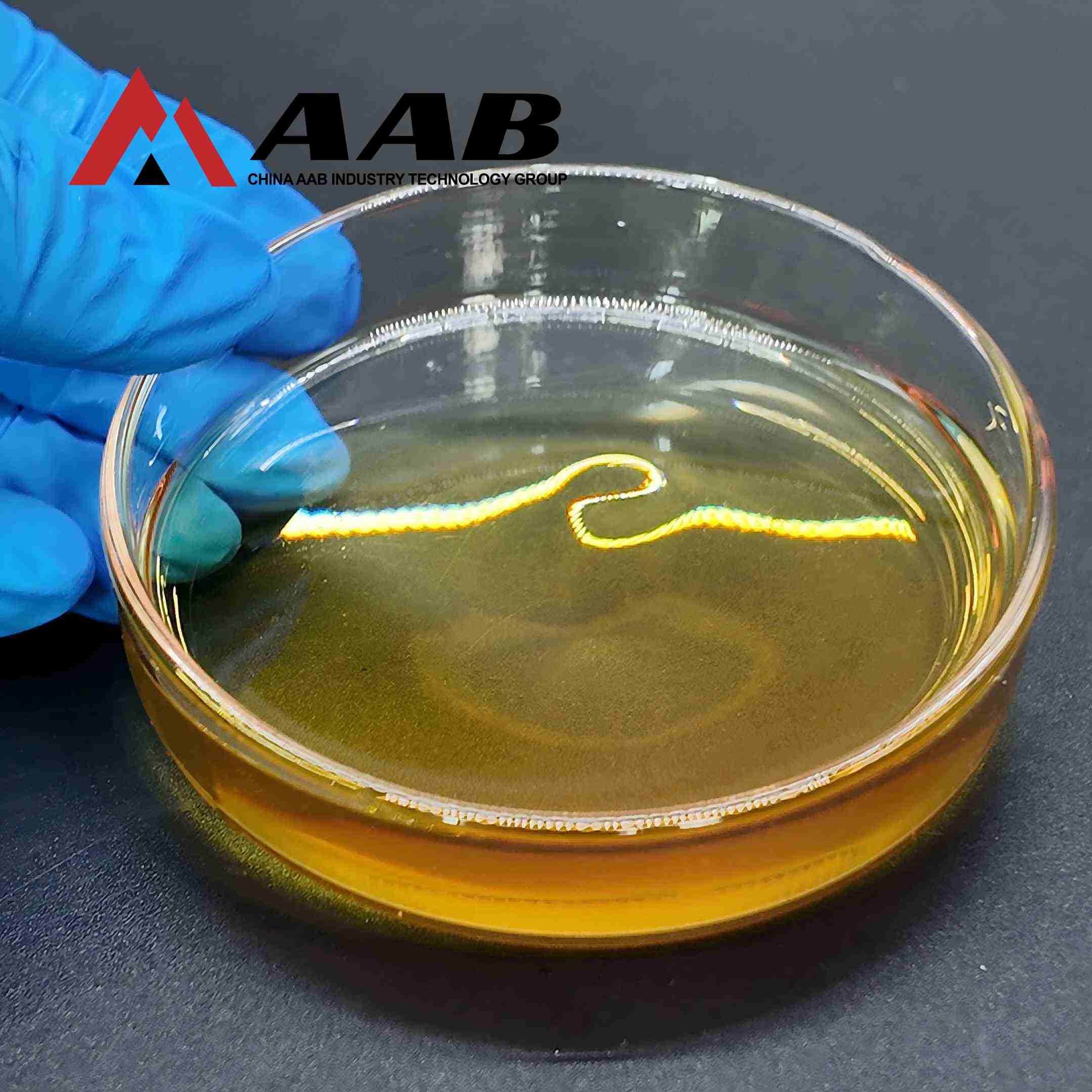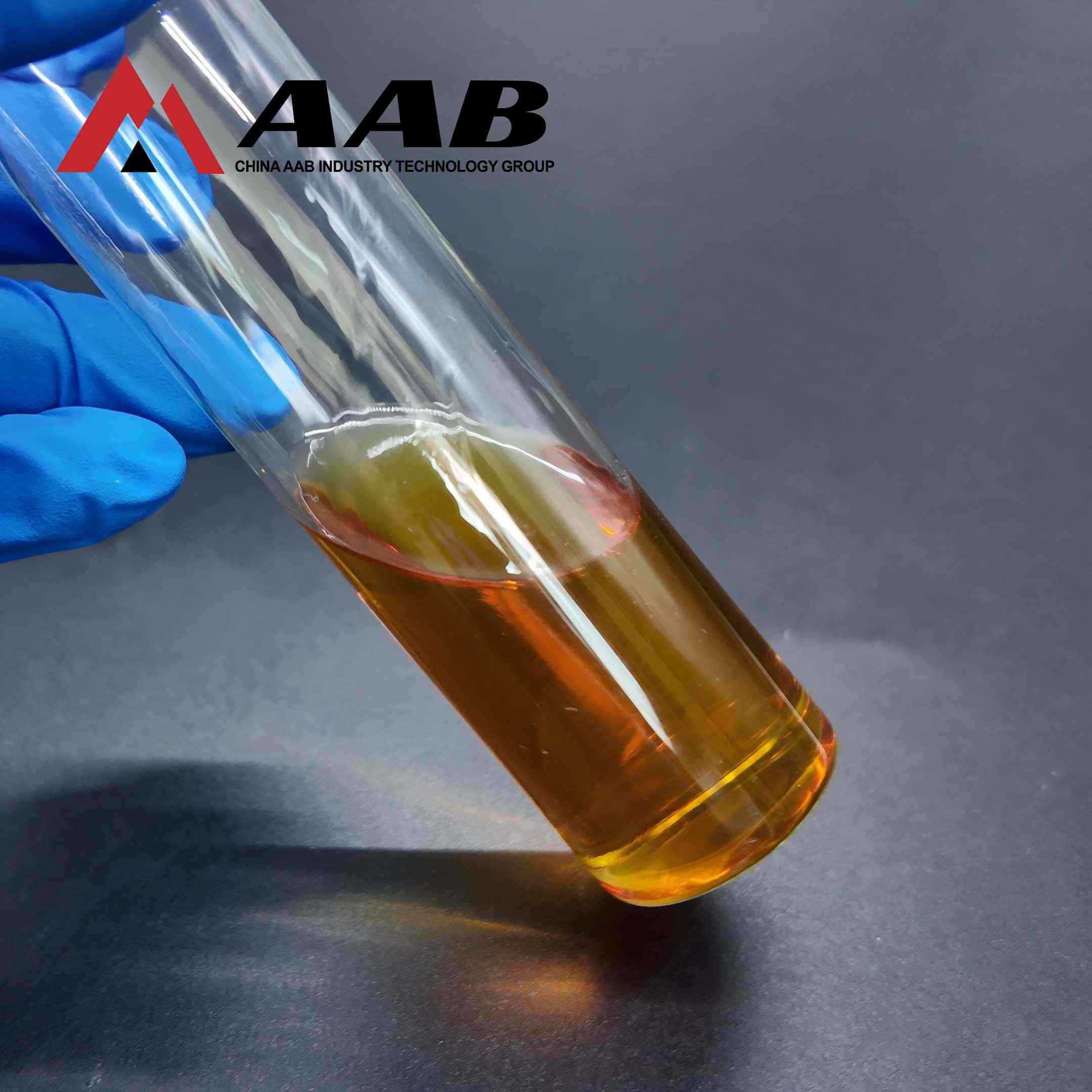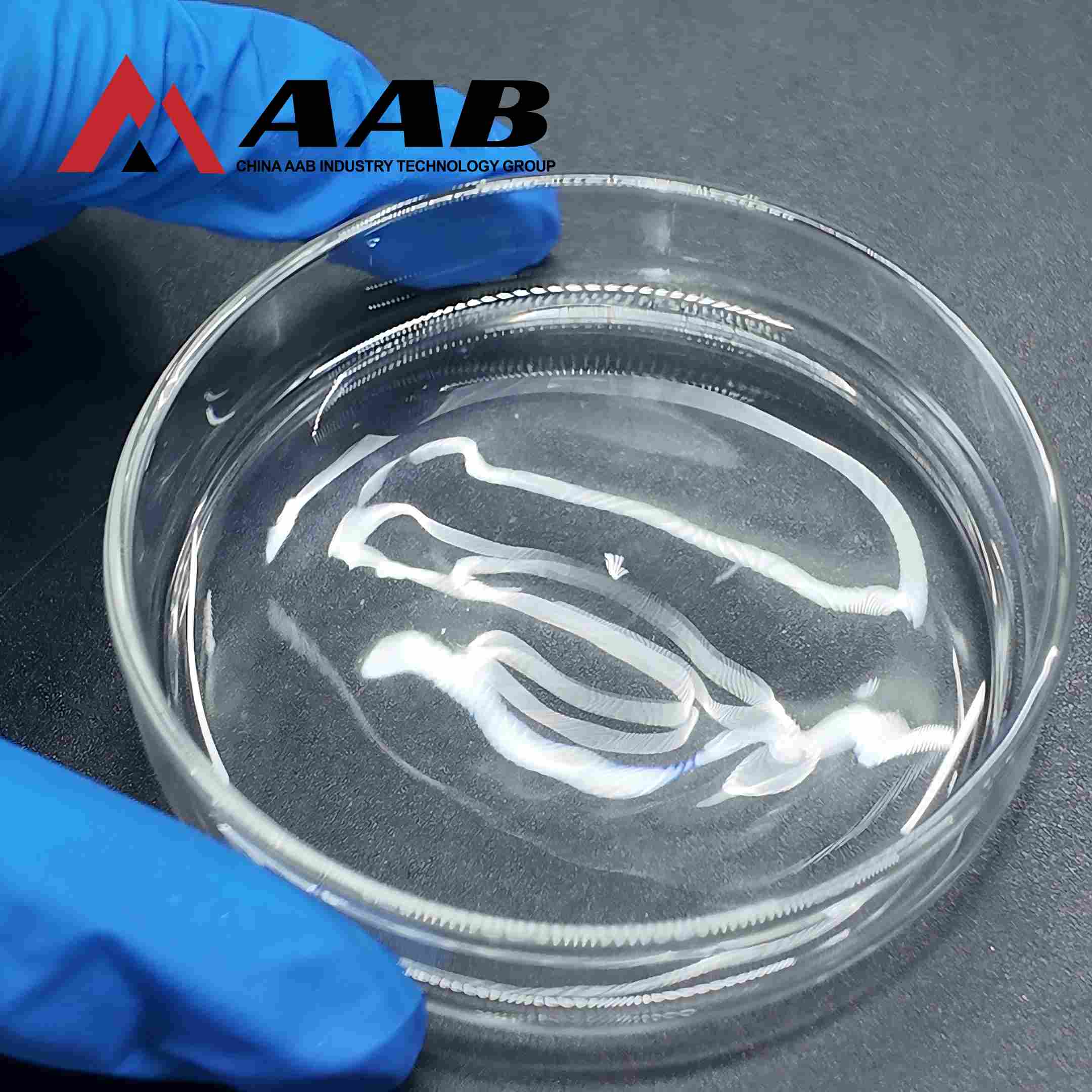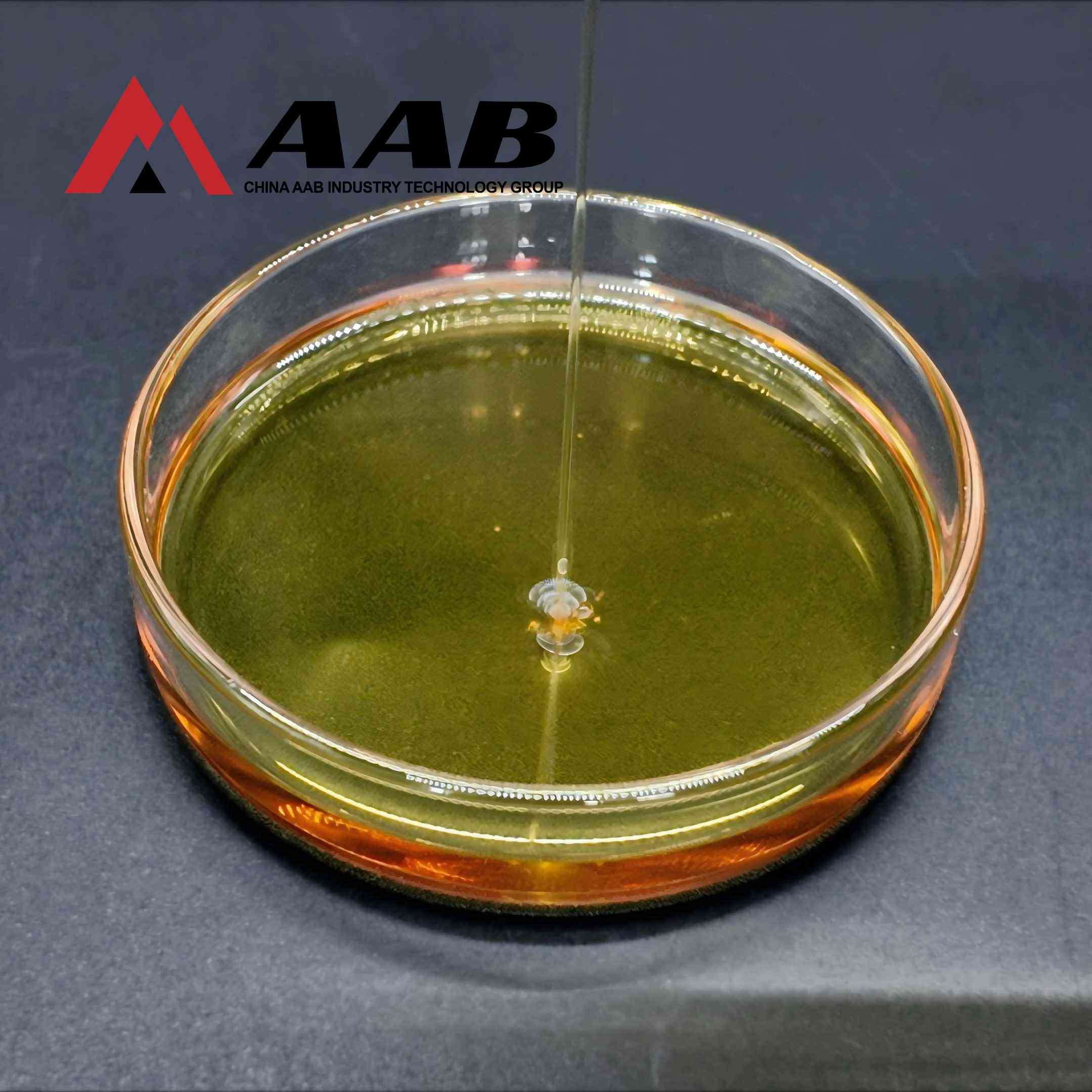

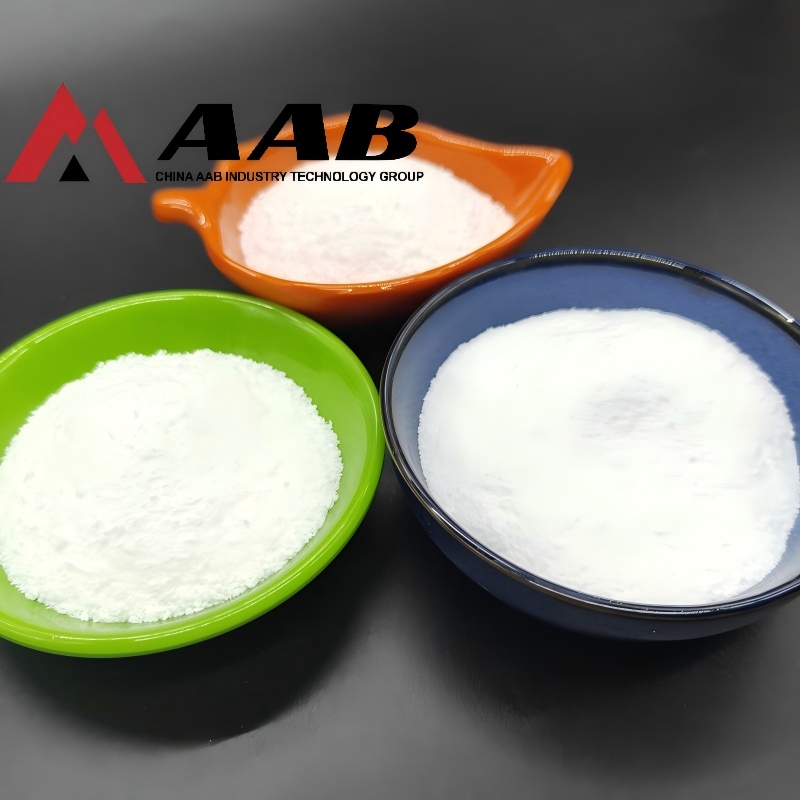

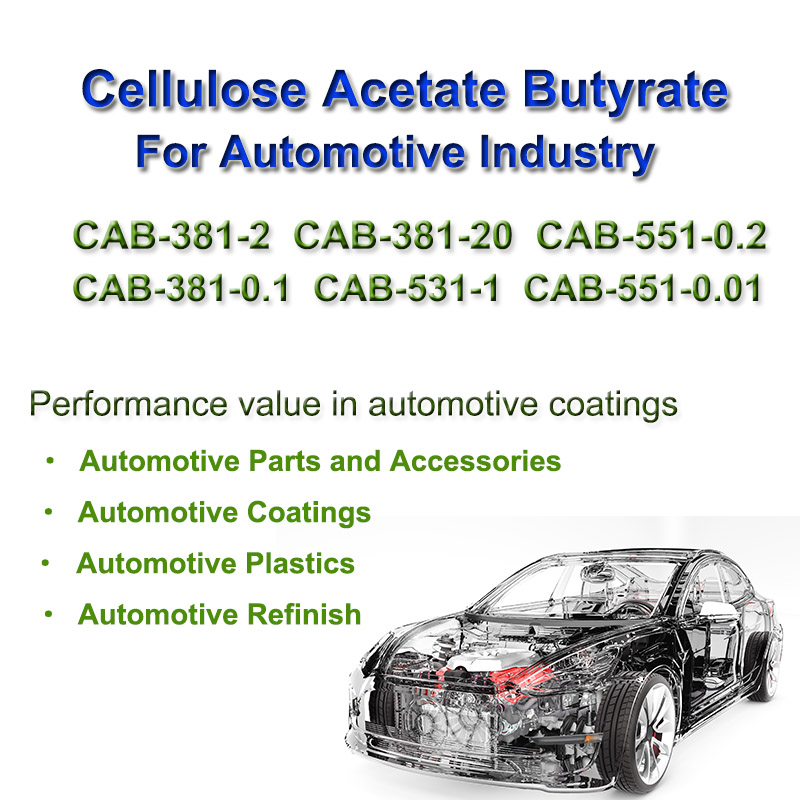
High-Performance Cellulose Acetate Butyrate (CAB) Series — a bio-based additive range for premium clearcoats. It improves flow and leveling, eliminates orange peel, accelerates solvent release, and provides crystal-clear, non-yellowing films with excellent UV stability. Compatible with acrylic, polyester, PU, and melamine systems, it suits automotive refinish, wood, industrial, and UV-curable coatings. Multiple grades, technical data, samples, and OEM/ODM support available.
Химическое название :
CABПриложение :
Automotive refinish clearcoat, High-solids 2K PU clearcoat, Wood clear topcoat (PU), General industrial clearcoat, Basecoat (flake orientation)Модель продукта :
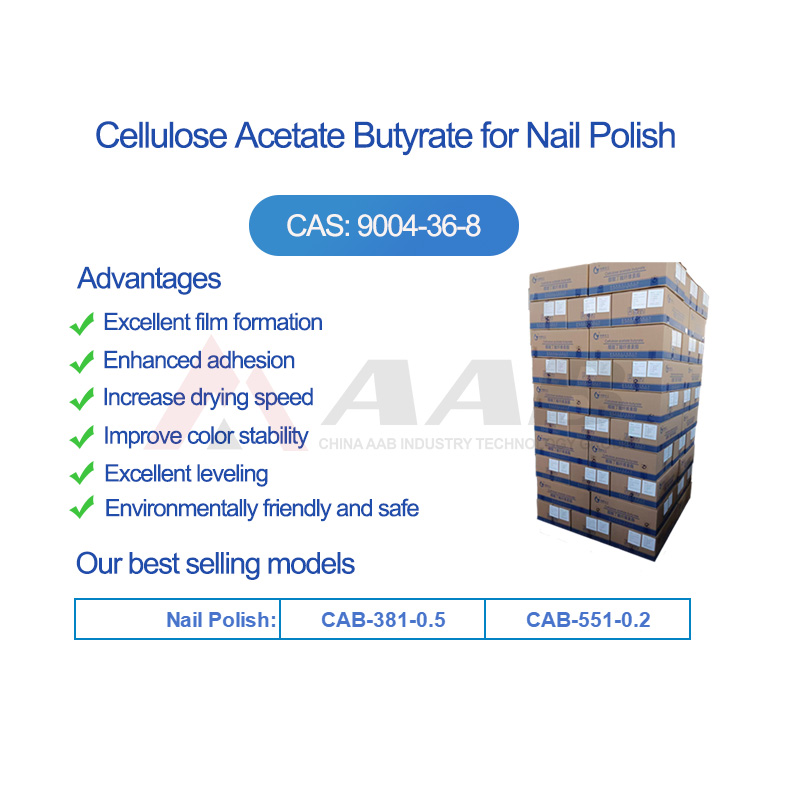
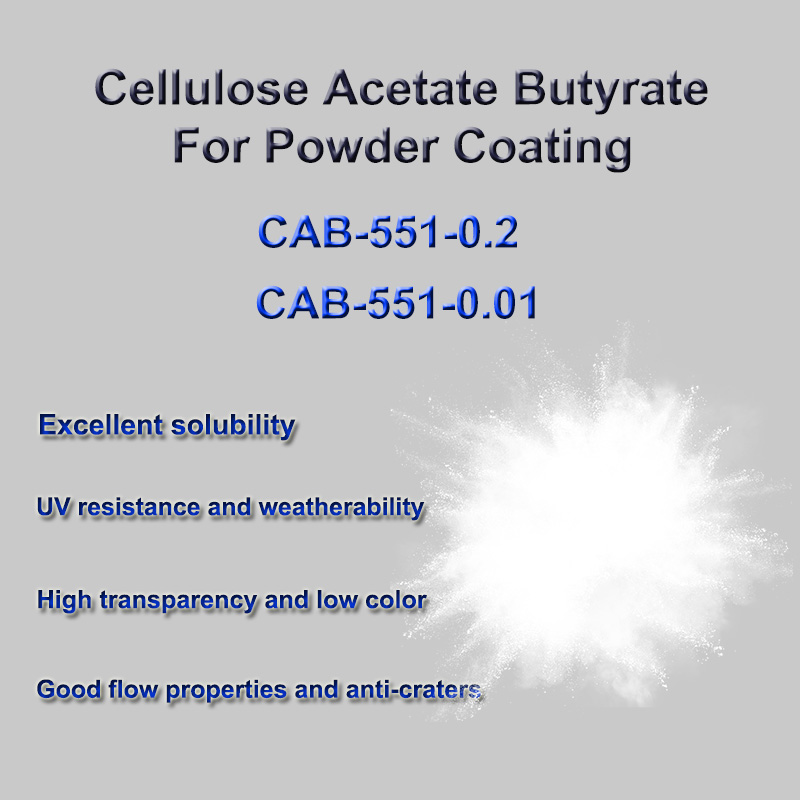
CAB-551-0.2, CAB-551-0.01, CAB-381-2, CAB-381-0.5, CAB-321-0.1бренд :
KabasphCellulose acetate butyrate (CAB) is a cellulose ester derived from one of nature's most abundant renewable resources. In the coatings industry, CAB is valued less as a standalone film-forming resin and more as a highly versatile functional additive and co-resin that significantly improves clearcoat performance. When incorporated into transparent topcoats based on acrylic, polyester, polyurethane, or melamine cross-linking chemistries, CAB helps solve some of the most persistent challenges in clearcoat formulation—from surface defects to application efficiency.
Why CAB Matters in Clearcoats
Eliminating Orange Peel and Surface Defects
Improving Solvent Release and Application Properties
Non-Yellowing Clarity and UV Stability
Compatibility and Formulation Flexibility
This compatibility with diverse curing chemistries allows CAB to be used across multiple clearcoat platforms:
l 2K polyurethane clearcoats for automotive refinish and industrial applications
l Melamine-acrylic thermosetting clearcoats for automotive OEM and coil coating
l Acrylic lacquer systems for wood and plastic substrates
l UV-curable clearcoats, where CAB helps control rheology
Product Selection Guide
The CAB portfolio includes grades differentiated by butyryl content, molecular weight, and viscosity, so formulators can fine-tune performance for specific clearcoat requirements.
|
Application |
Recommended CAB Grade |
Typical Loading |
Key Benefit |
|
Automotive refinish clearcoat |
CAB-551-0.2 |
~10 wt% |
Orange peel elimination, flow |
|
High-solids 2K PU clearcoat |
CAB-551-0.01 |
5–15 phr* |
Low viscosity, solvent release |
|
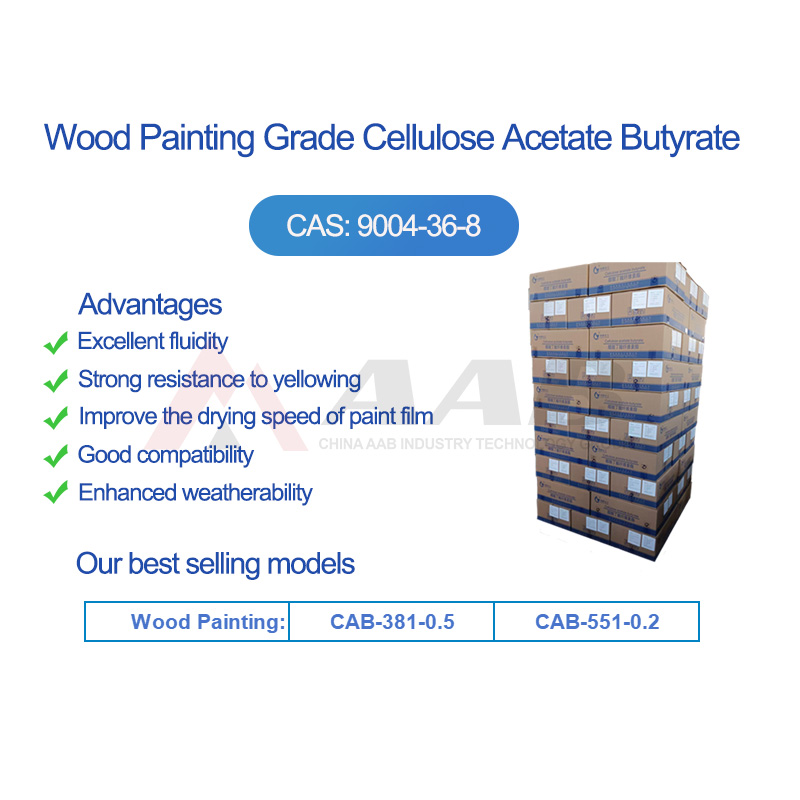
Wood clear topcoat (PU) |
CAB-381-2 |
2.5–10 wt% |
Hardness, sandability |
|
General industrial clearcoat |
CAB-381-0.5 |
5–20 wt% |
Balanced flow and hardness |
|
Basecoat (flake orientation) |
CAB-321-0.1 |
5–15 wt% |
Solvent resistance, orientation |
*phr = parts per hundred resin
Practical Formulation Considerations
l Loading levels. When used as a flow and leveling additive, CAB is typically added at 2–15 wt% based on total formulation weight. At higher loadings—up to 30 wt% of resin solids—it can act as a co-film-former, improving hardness and block resistance. The optimal loading depends on the grade selected, the base resin system, and the desired performance balance.
l Solvent selection. CAB requires oxygenated solvents—ketones, esters, and ether-alcohols—for proper dissolution. Aromatic hydrocarbons such as toluene and xylene are not effective solvents on their own, but they can be used as diluents alongside active solvents. Typical combinations include methyl amyl ketone (MAK) with n-butyl propionate or n-butanol, as shown in industry technical formulations.
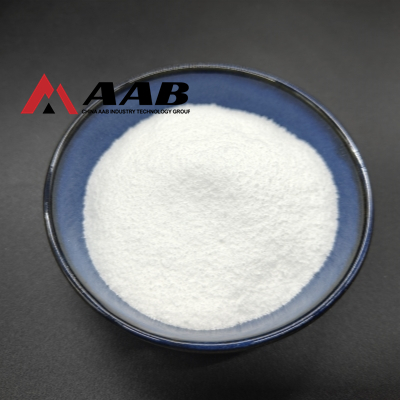
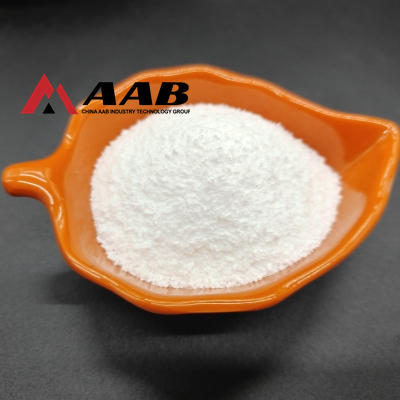
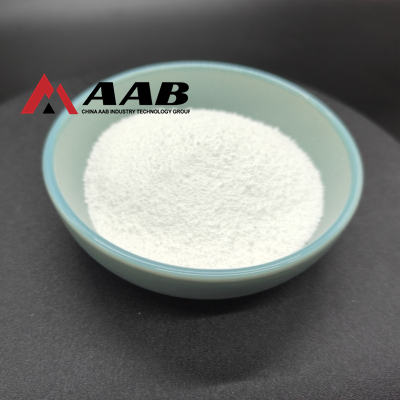
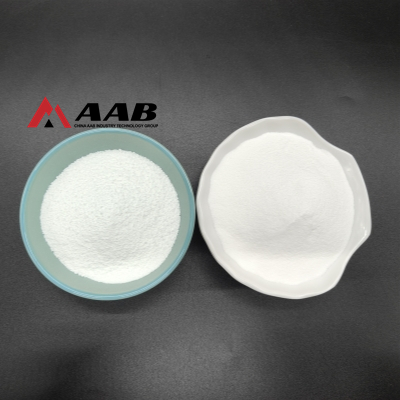
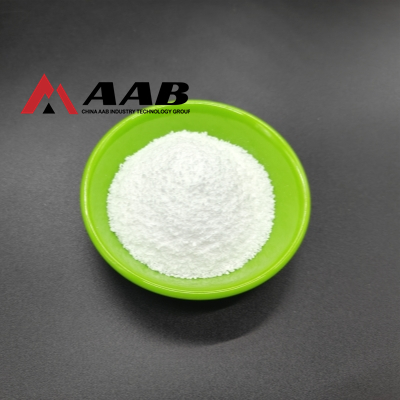
l Processing. CAB is supplied as a free-flowing powder that dissolves readily in a solvent blend under moderate agitation. For best results, add the powder slowly to the solvent system while gradually increasing mixing speed. This ensures complete dissolution and prevents lumps. Typical dissolution takes 15–20 minutes at higher mixing speeds (1500–2000 RPM).
Because CAB is bio-based and derived from renewable cellulose, it also supports the coatings industry's shift toward more sustainable formulations—an advantage that aligns with both regulatory requirements and end-user expectations. Whether used as a flow modifier, rheology control agent, or co-film-former, CAB remains an essential tool in the clearcoat formulator's toolkit.
For technical data sheets, formulation guidance, or samples from our CAB series, please contact our technical team.
ТЕГИ :





Hi! Click one of our members below to chat on